
Our Projects - RIPPLE
RIPPLE - Reinforcement-Informed Policy for Propagated Limb Engagement in Robot-Assisted Rehabilitation

Mateusz GoraPostgraduate Researcher
PhD
AI, ML, RL, Simulation, Robotics
Current
Background
Neurological conditions such as stroke, traumatic brain injury, and cerebral palsy leave tens of millions of people each year with lasting motor impairments that reduce independence and quality of life. Recovery depends on high-intensity, repetitive, task-oriented movement practice; however, workforce shortages and limited therapy capacity mean most patients receive far less therapy than they need for the best outcomes. This creates a clear need for scalable, adaptive technologies.
Project Vision
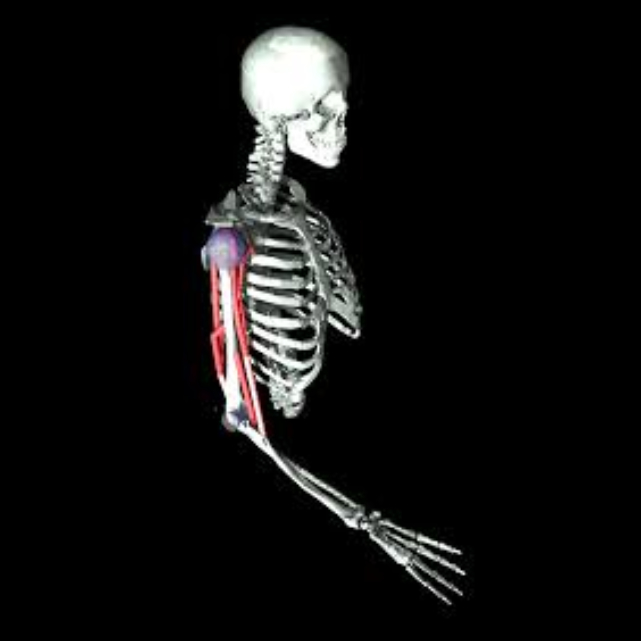
The RIPPLE (Reinforcement-Informed Policy for Propagated Limb Engagement) project explores how an intelligent robotic system can learn to guide whole-arm rehabilitation through a single point of contact. Rather than relying on complex wearable mechanisms, the system encourages coordinated movement propagated throughout the kinematic chain of the body with advanced robot motion control. The aim is to combine the simplicity of endpoint devices with the coordinated movement guidance of exoskeletons and the adaptive, patient-specific assistance enabled by data-rich digital twin simulations.
Research Approach
RIPPLE explores the use of data-driven learning frameworks to develop adaptive control strategies to:
The research includes simulation-based development and validation prior to physical testing. Computational models representing diverse impairment profiles are used to evaluate adaptability and robustness across a wide range of therapeutic scenarios.
The project places strong emphasis on:
Anticipated Impact
RIPPLE aims to advance rehabilitation robotics by:
Through the combination of intelligent control with practical clinical design, RIPPLE seeks to contribute to scalable, patient-centred rehabilitation technologies.